
In today’s hyper-connected digital landscape, APIs (Application Programming Interfaces) are the backbone of innovation. They power seamless integrations, drive generative AI applications, and enable businesses to scale rapidly. But with great power comes great risk. The explosive growth of APIs has created a sprawling attack surface that cybercriminals are eager to exploit. If you’re not prioritizing API security now, you’re leaving the door wide open to costly breaches, data leaks, and reputational damage. Here’s why API security can’t wait—and what you can do about it.
API Sprawl is Real: More Paths to Your Crown Jewels
The average size organization now manages hundreds, if not thousands, of APIs—many of which are undocumented or poorly monitored. This API sprawl creates blind spots that attackers love to exploit. Each API is a potential gateway to your most sensitive data—whether it’s customer information, financial records, or proprietary algorithms.
The problem: Rapid API development often outpaces security measures. Developers are under pressure to deliver functionality fast, and security can take a backseat. Shadow APIs—those created without IT team knowledge—compound the issue, granting unfiltered access to critical systems. Without a clear inventory of your APIs and robust governance, you’re essentially handing attackers a map to your most valuable assets.
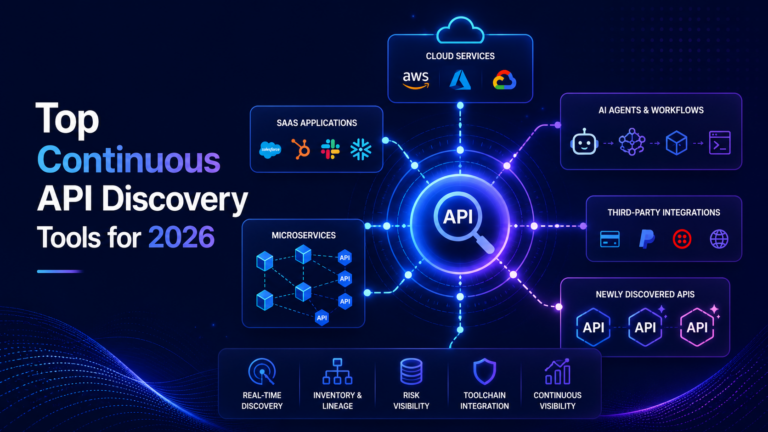
What you can do: Start by discovering and cataloging all APIs in your ecosystem. Automated discovery tools can help identify shadow APIs and ensure nothing slips through the cracks. From there, implement strict access controls and monitor API traffic to spot suspicious activity before it escalates.
Untested APIs: An Open Door for Attackers
Every untested API is a potential breach waiting to happen. Unlike traditional applications, APIs are designed to be open and accessible, making them prime targets for attackers. A single misconfiguration, like an exposed endpoint or weak authentication, can lead to catastrophic consequences—think stolen data, ransomware, or system downtime.
The Problem: Testing each API in isolation falls short of real world API usage and may not yield right results. Further, it’s humanly impossible for product security engineers to manually write numerous test cases covering every single workflow or user journey in the application. APIs evolve constantly, and new vulnerabilities emerge just as quickly. Relying on manual or inconsistent testing methods leaves gaps that attackers can exploit in seconds.
What You Can Do: Integrate automated API penetration testing into your DevSecOps pipeline. A continuous testing platform like AppSentinels simulates real-world attack scenarios, generating thousands of test cases to uncover vulnerabilities such as BOLA, broken authentication, excessive data exposure, and SQL injection—before they’re exploited. Regular testing ensures your APIs stay secure as your applications and business logic evolve.
Business Logic Attacks: Your Largest Attack Surface
APIs don’t just expose data—they expose your business logic. This is the underlying code that defines how your applications function, from processing payments to managing user permissions. Attackers are increasingly targeting business logic flaws, manipulating API requests to bypass security controls, escalate privileges, or extract sensitive information.
Why is this such a big deal? Because business logic vulnerabilities are unique to your application and often invisible to traditional security tools. They’re not cookie-cutter exploits like those found in off-the-shelf software. A skilled attacker can chain together seemingly benign API calls to create devastating outcomes—like draining funds from a payment system or accessing restricted customer data.
What you can do: Protect against business logic attacks with real-time monitoring and behavior-based anomaly detection. Machine learning-driven solutions can flag unusual API activity, such as repeated failed login attempts or unexpected data requests, before they cause harm. Pair this with thorough API design reviews to minimize logic flaws from the start.
Lock Down AI: Securing the Future of Innovation
Generative AI is transforming businesses, and APIs are the lifeblood of these systems, enabling seamless data exchange between AI models, applications, and users. But this also makes APIs a prime target for attackers looking to manipulate AI outputs, steal training data, or inject malicious inputs (think prompt injection attacks).
The stakes are high: a compromised API powering your AI could erode customer trust, disrupt operations, or expose intellectual property. As AI adoption accelerates, securing the APIs that fuel it isn’t just a technical necessity—it’s a business imperative.
What you can do: Treat AI-powered APIs with the same rigor as any critical system. Enforce strict input validation to prevent malicious data from reaching your AI models. Use encryption for data in transit and at rest, and implement rate-limiting to thwart brute-force attacks. Most importantly, adopt a zero-trust approach, ensuring every API request is authenticated and authorized—no exceptions.
The Time to Act is Now
APIs are the engine of digital transformation, but they’re also a growing liability. The longer you delay securing them, the greater the risk to your business. From sprawling APIs exposing your crown jewels to untested endpoints inviting breaches, the threats are real and evolving. Business logic attacks and vulnerabilities in AI-powered APIs only amplify the urgency.
The good news? You don’t have to start from scratch. By prioritizing API discovery, automated testing, real-time protection in run-time and remediation workflows, you can secure your APIs and stay ahead of attackers. Don’t wait for a breach to expose your weaknesses—take control today and safeguard your organization’s future.
Frequently Asked Questions
Why has API sprawl become such a significant security problem for modern organizations?
How does the rise of generative AI applications specifically increase API security risk?
What specific business impacts result when organizations delay API security investment?
What does “discovering and cataloging all APIs” actually require in practice?
How has the pressure to develop APIs rapidly created structural security weaknesses?
Why can’t organizations simply “secure their APIs later” once core product features are shipped?
What governance structures help organizations bring API sprawl under control?