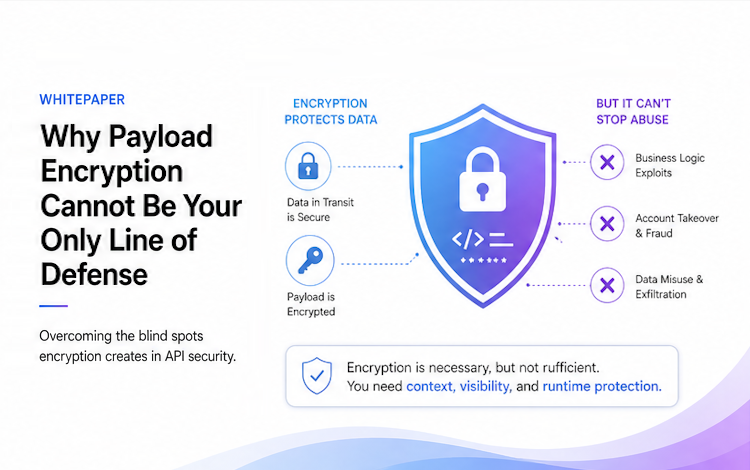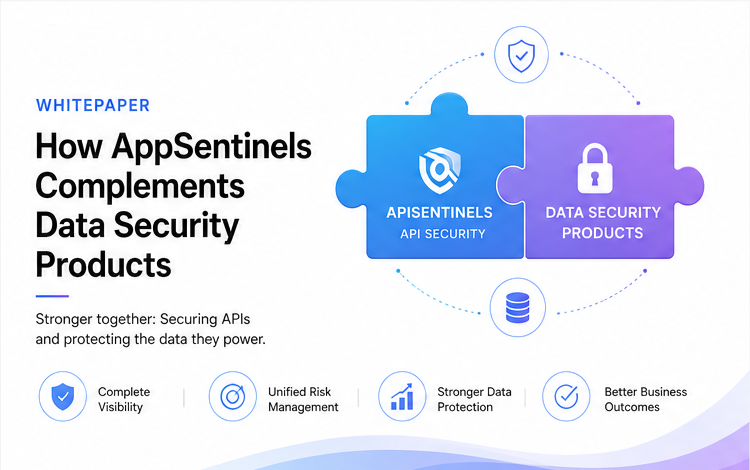

As APIs continue to drive modern digital ecosystems, securing them has become an organizational imperative. Few companies turn to API security testing products to identify vulnerabilities and safeguard their APIs. However, these tools are counterproductive when relied upon as a sole security measure. Here’s why:
Lack of Understanding of Business Logic
API testing tools lack deep understanding of the application’s business logic, its unique structure, behavior, and purpose. API security testing tools primarily focus on stateless testing of APIs, such as input validation and authentication flaws. Many critical API vulnerabilities arise from flaws in business logic—issues these tools are ill-equipped to detect. API security testing tools operate in isolation, focusing only on predefined test cases created and limited scenarios understood by humans. This siloed perspective leads to significant blind spots:
Lack of Context: These tools don’t understand the broader context of the application, including how APIs interact with each other and the underlying business processes they support.
Fragmented Insights: By analyzing APIs in isolation, they miss critical vulnerabilities that emerge from API interdependencies.
Tools Fatigue Due to Limited Functionality Resulting in Gaps in Coverage and Operational Complexity
Organizations often struggle with the proliferation of tools, each addressing only a subset of security needs. API security testing tools contribute to this fatigue as they have very limited functionality. Organizations need different tools to achieve comprehensive coverage, such as runtime protection against API attacks and abuses, or protection against bots and DoS attacks. This increases operational complexity. Maintaining, integrating, and updating additional tools becomes another resource-intensive task.
Reliance on Human-Generated Test Cases
Even with advancements in technology, API security testing tools still require significant human intervention to design and implement test cases.
Scalability Issues: As APIs evolve, manually creating and updating test cases becomes unmanageable.
Inadequate Coverage: Human-generated test cases often fail to account for complex scenarios and dynamic interactions between APIs.
The Impact on Organizational Security Posture
Relying solely on API security testing tools can lead to:
False Sense of Security: Organizations may believe their APIs are secure, even as critical vulnerabilities remain undetected.
Increased Risk Exposure: Gaps in coverage leave APIs vulnerable to exploitation.
Operational Inefficiencies: Teams spend excessive time managing tools and addressing false positives, diverting resources from more strategic tasks.
A Holistic Approach to API Security
Comprehensive API security requires going beyond testing tools and embracing an integrated strategy that includes:
- Runtime Monitoring: Continuously analyzing live API traffic to detect anomalies and emerging threats.
- Business Logic Awareness: Understanding how APIs operate within the context of the application and identifying logic-based vulnerabilities.
- Adaptive Security: Ensuring that security measures evolve alongside APIs as they change and grow.
- Unified Insights: Integrating data from development, testing, and runtime environments for a complete security picture.
How AppSentinels Addresses the Limitations
AppSentinels provides a unified platform that overcomes the shortcomings of traditional API security testing tools:
Context-Aware Protection: Our platform understands the unique logic and dependencies of your APIs, enabling it to detect vulnerabilities beyond basic flaws.
Real-Time Insights: Continuous monitoring ensures threats are identified and mitigated in real time.
Scalability: Automated processes and intelligent algorithms eliminate the need for manual test case creation, keeping pace with API evolution.
Holistic Security: By integrating shift-left testing with runtime protection, AppSentinels delivers end-to-end API security.
Conclusion
API security testing products offer limited value and are insufficient on their own. Organizations need a holistic, adaptive approach to secure their APIs effectively. AppSentinels offers the comprehensive protection required to safeguard APIs in today’s fast-paced digital landscape, enabling businesses to innovate with confidence.
Frequently Asked Questions
What critical limitation do API security testing tools have regarding business logic?
What is “tools fatigue,” and how does it emerge in organizations with too many security products?
Why does testing APIs in isolation miss vulnerabilities that emerge from API interdependencies?
What does appropriate API security testing look like when combined with other capabilities?
How should security procurement decisions account for the limitations identified in this blog?